ACCOUNT

BASKET

0333 444 5644
07935 321 720

CONTACT

ACCOUNT

BASKET

0333 444 5644
07935 321 720

CONTACT

ACCOUNT

BASKET

What is Parawinging?

Foiling sports have exploded in popularity over the last decade—from kite foiling to wing foiling and beyond. But just when you thought the watersports world had peaked in innovation, a new hybrid sport has emerged: Parawinging.

In this blog, we’ll explore what parawinging is, how it differs from traditional wing foiling or other foiling disciplines, what gear you need to get started, and who this sport is ideal for.

What is this new phenomenon?

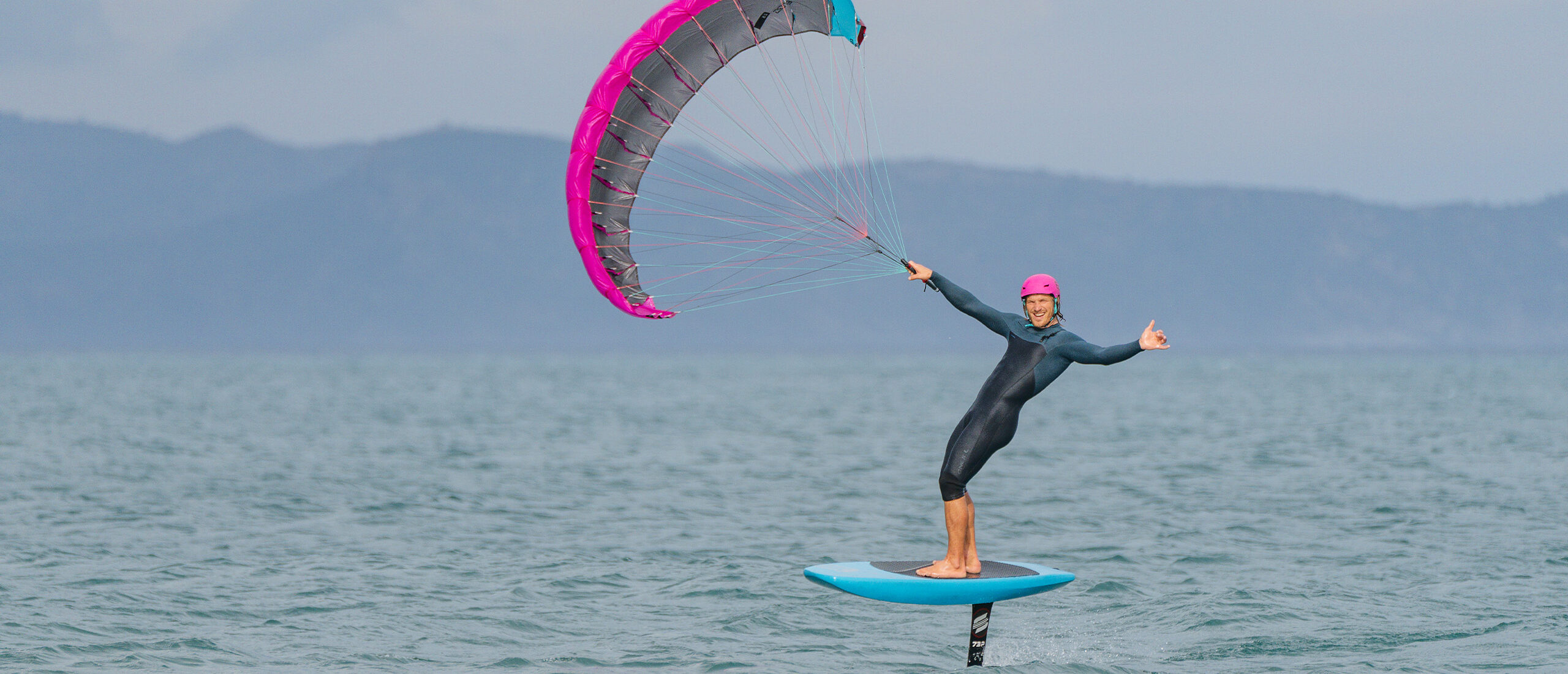
Parawinging combines elements of paragliding and wing foiling, allowing riders to harness wind energy both in the air and on the water (or land/snow!) using a specially designed wing that functions more like a kite or parachute than a handheld wing.

Imagine this: instead of simply using a handheld wing to glide across the surface of the water, you deploy a larger, more powerful fabric wing (sometimes inflatable or framed), similar to a paraglider. This wing can lift the rider off the ground or water momentarily—creating a hybrid between gliding, jumping, and foiling.

Parawinging vs. Wing Foiling & Other Foiling Sports

FeatureParawingingWing FoilingKite Foiling
Wing TypeLarge paraglider-style canopyInflatable handheld wingInflatable or foil kite
Lift CapabilityHigh (airborne jumps/glides possible)Moderate (short jumps/lifts)High (kite lifts you easily)
Control MechanismHarness or lines; weight shift & hand inputsHandheld wing; arm steeringControl bar & harness
Entry DifficultyIntermediate to advancedBeginner to intermediateIntermediate to advanced
EnvironmentsWater, snow, sand, flat groundPrimarily waterPrimarily water

What do you need?

Parawinging uses a unique setup that blends components from several sports:

  1. Parawing
    • A soft or semi-rigid wing that’s larger than a standard wing foil sail, sometimes with a harness system.
    • Built for both lift and glide, offering more aerial potential.
  2. Foil Board
    • Like in wing foiling, a hydrofoil board is often used to reduce drag and increase speed and control on the water.
  3. Harness System (optional)
    • For better control and to reduce fatigue, some setups include a waist or seat harness with line attachments to the wing.
  4. Safety Gear
    • Helmet, impact vest, and possibly a reserve chute if used in more extreme airborne settings.
  5. Appropriate Clothing
    • Wetsuit, drysuit, or snow gear depending on your terrain (water, snow, or land).

Check out the latest Parawings in our shop.

Who is Parawinging for?

Parawinging isn’t the best starting point for total beginners, but it’s an exciting progression for those with some experience in wind or foiling sports.

Skill Level Recommendation:

  • Beginner: Not recommended unless under expert instruction.
  • Intermediate: Ideal for those with experience in wing foiling, kiteboarding, or paragliding.
  • Advanced: A perfect challenge for thrill-seekers looking to combine air time with hydrofoil efficiency.

Best For:

  • Riders who want more airtime and freedom to experiment.
  • Adventurers interested in multi-terrain sports (water, snow, land).
  • Foilers looking to explore more lift-based dynamics than a traditional wing can offer.

Final Thoughts

Parawinging is a bold new chapter in wind sports—one that blends the grace of paragliding with the dynamic power of foiling. It’s not just about riding waves or skimming water; it’s about gliding, jumping, and even soaring in a way that few other disciplines allow.

If you’re an intermediate or advanced rider looking for something fresh, versatile, and a little more aerial, parawinging might be your next obsession.

Interested in trying parawinging? Take a look at our lessons page and get in touch. As with any emerging sport, it’s crucial to prioritize safety and proper instruction.
Leave a Comment

Your email address will not be published. Required fields are marked *

How to service your Lift Efoil Motor

Lip Seals and Oil Change

These instructions will walk you through the replacement of the two Lip seals and perform your own oil change.

Note: It will be easier to perform these repairs with the mast removed.

Step 1
If the Lift LCS is installed, remove the prop. For a conventional prop, remove the center bolt, then pull out the propeller and pin (the pin may fall out, make sure not to lose it). If the propeller is jammed, you may try to: a. lightly tap on it, b. soak it in water for about an hour, or, c. use a prop remover.


Step 2

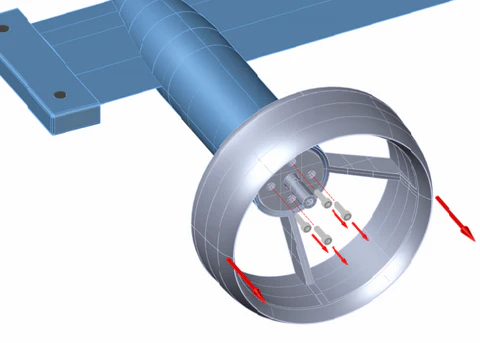
Remove the four screws that connect the LCS base or shroud to the motor casing.  Slide out the LCS base or shroud.  Four replacement screws are provided.  Use NEW/provided Allen Wrenches to remove the screws.

EFS Oil change kit 5 

Step 3
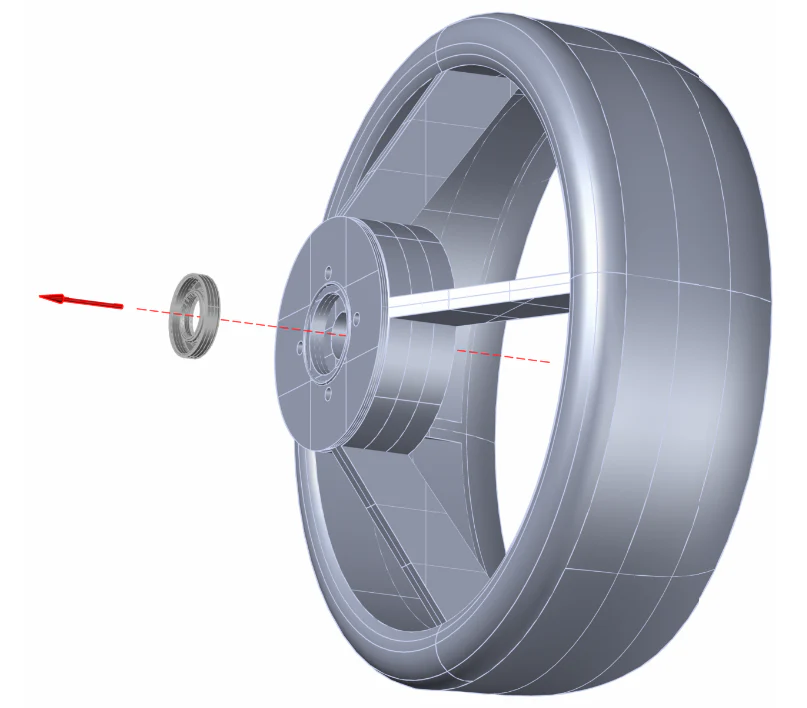
Remove the Rotary Seal from the shroud or LCS base.  Use a sharp object is required.  Replace with provided Lip Seal, open side facing motor.

EFS Oil change kit 3 

Step 4
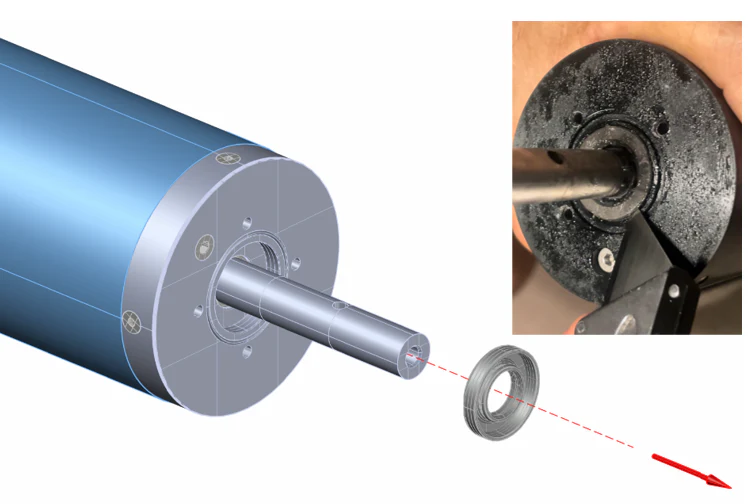
Use a sharp object to remove Lip Seal from motor.  Remove and replace the compression O-Ring.

EFS Oil change kit 4 

Step 5
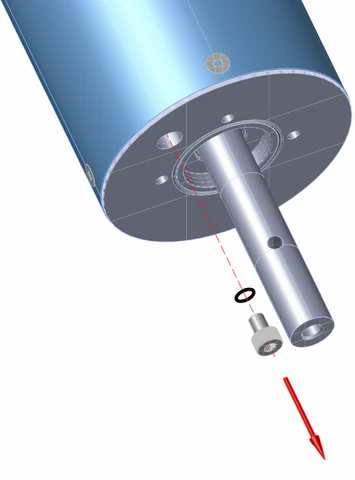
Remove the drain fill screw and replace the O Ring.  Tilt the motor with the screw hole facing downward. Without the seal and screw, the oil should drain easily; While the drain hole faces down, twist and rotate the motor housing in a circular motion to help the oil accumulate at the opening. If the oil appears very milky, clean it using brake cleaner. Use the straw attachment on the brake cleaner can to spray up the drain hole and help flush out any contaminants.

EFS Oil change kit 8

Step 6
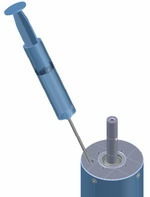
Tilt the motor with the drain hole facing up.  Install the second Rotary Seal provided, open side facing prop.  Use syringe and thick needle provided to add oil to the motor.  You may need to use most or all of the oil.  The oil bottle provided contains slightly.  DO NOT OVERFILL.  If the oil reaches the top, remove about 5-10 ml using the syringe.

EFS Oil change kit 1

Step 7

Reassemble in reverse order.
 

Safe Use of the Efoil Solutions Propellers

FAILURE TO COMPLY WITH THESE WARNINGS MAY RESULT IN SERIOUS INJURIES.

  • Use of this Propeller and the sport of E-foiling involve inherent risks of injury or death. By using this product, you accept the risk of its use.  
  • The Efoil Solutions propellers are for advanced Efoil users only and some may be used without the manufacturer propeller guard.  Use added caution. 
  • Contact with rotating propeller may cause serious injury or death.  While the propeller is spinning, KEEP AWAY.
  • Turn off the remote and disconnect the battery from the Efoil before handling the propeller.
  • Always inspect the product before use.
  • Never ride at speeds that exceed your abilities.
  • Always wear protective gear.
  • Avoid wearing loose clothes that may get entangled with the propeller.
  • Never allow inexperienced riders to operate this product without proper training.
  • Do not allow children to operate this product.

EFOIL SOLUTIONS Size Guide

EFS Man Size
We're out for a break! Please send us a message and we'll get back to you shortly.
Next shipping date for all orders is
03 January 2025
Happy 2025!

MANERA Size Guide

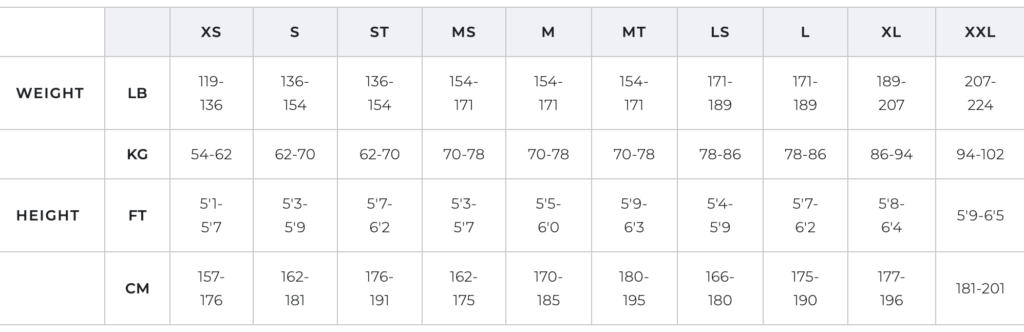
Wetsuits - Men

Manera mens wetsuit size guide

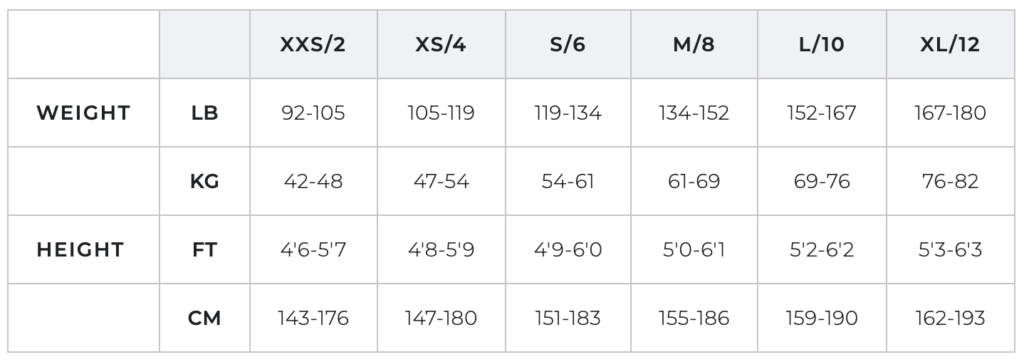
Wetsuits - Women

Manera womens wetsuit size guide

Enter RYA Show competition

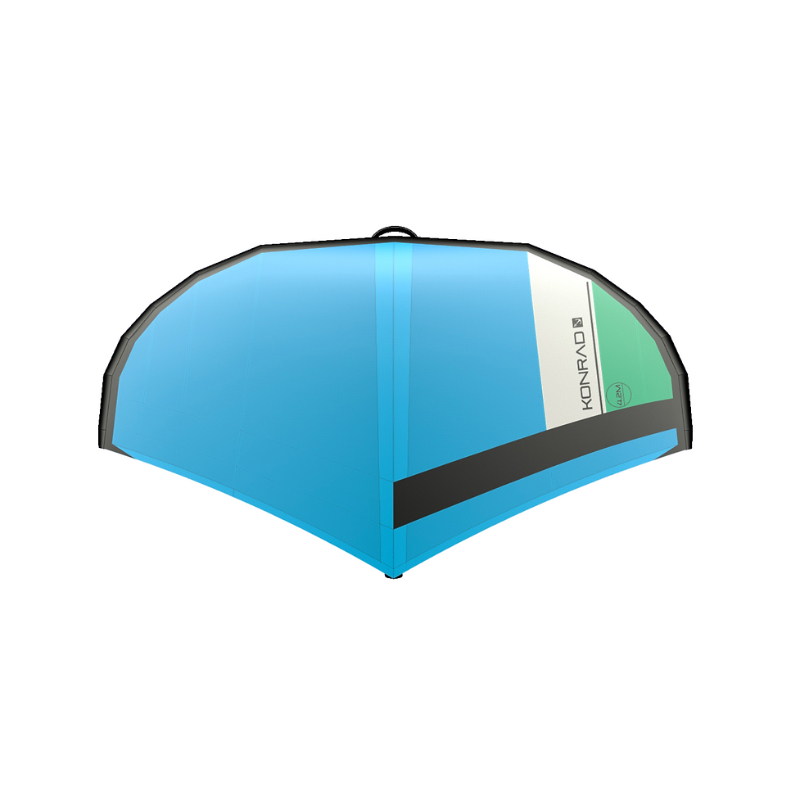
Konrad wingman V4

1st prize!

KONRAD Wingman V4 - 5 metre wing

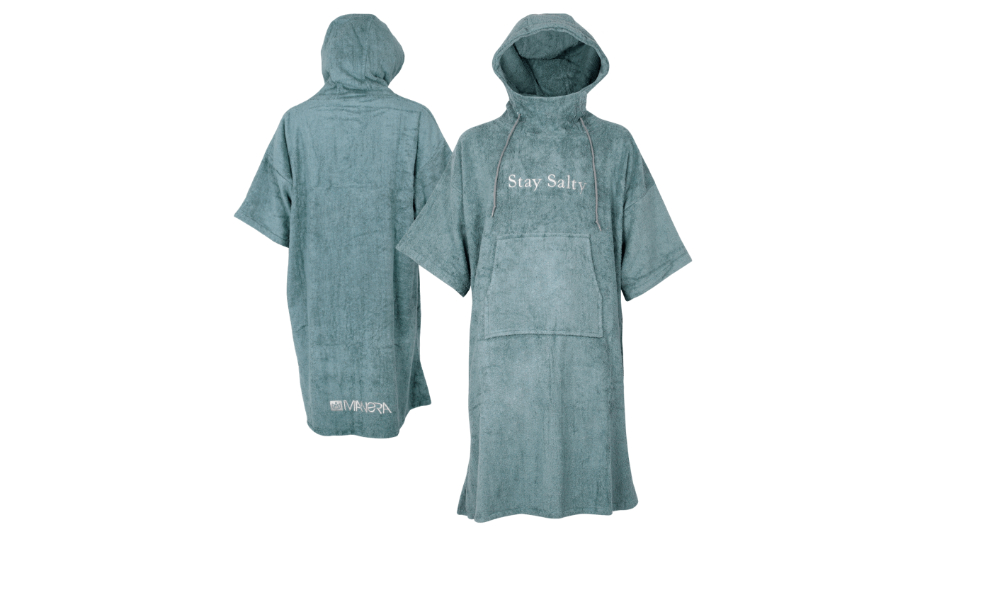
manera winter poncho steel

2nd prize

MANERA Poncho

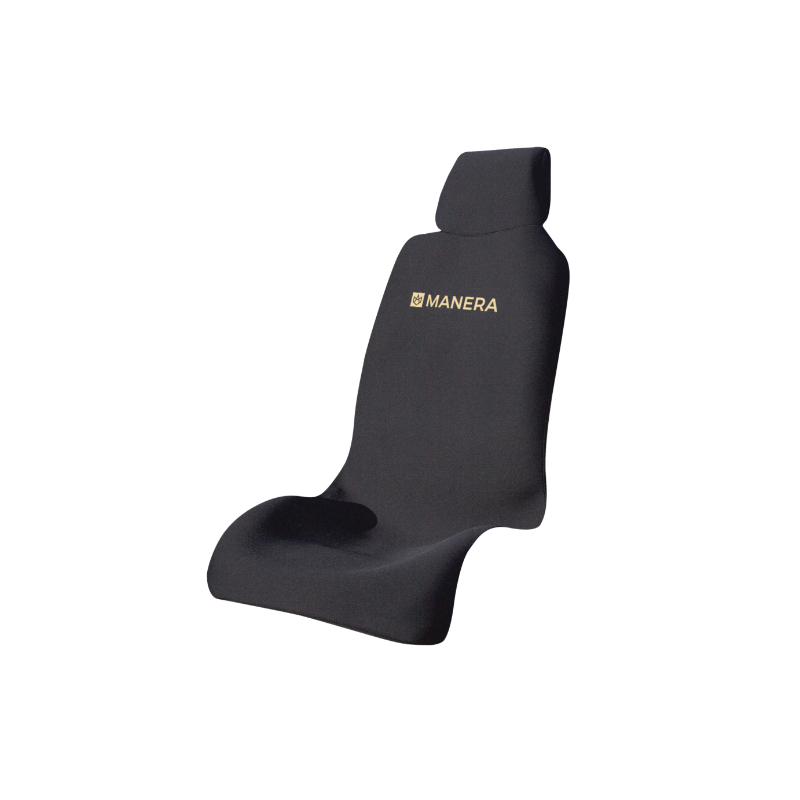
manera car seat cover

3rd prize

MANERA Car Seat Cover

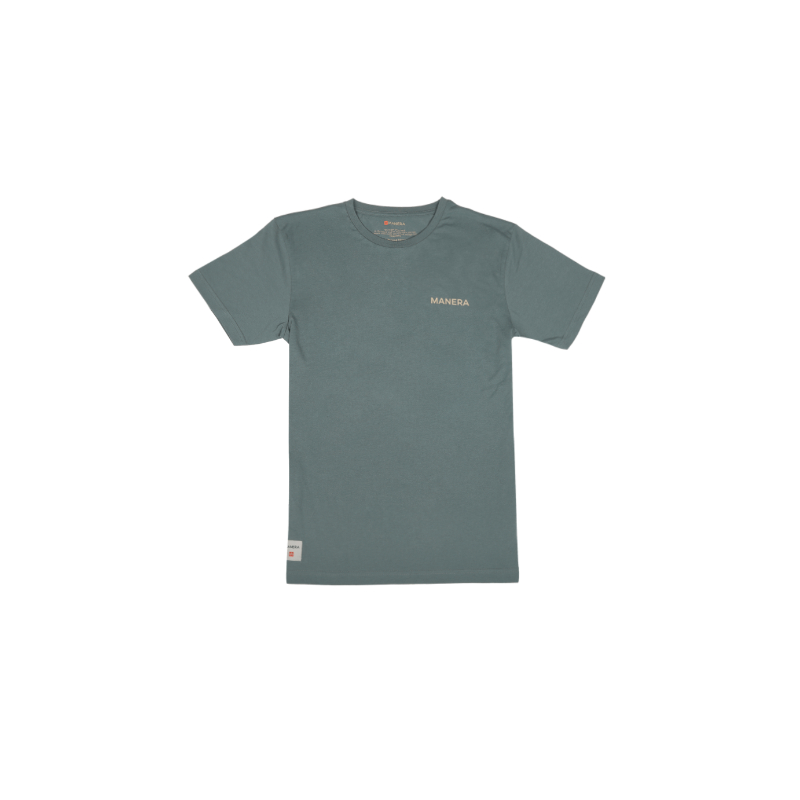
manera tee

4th prize

MANERA Tee

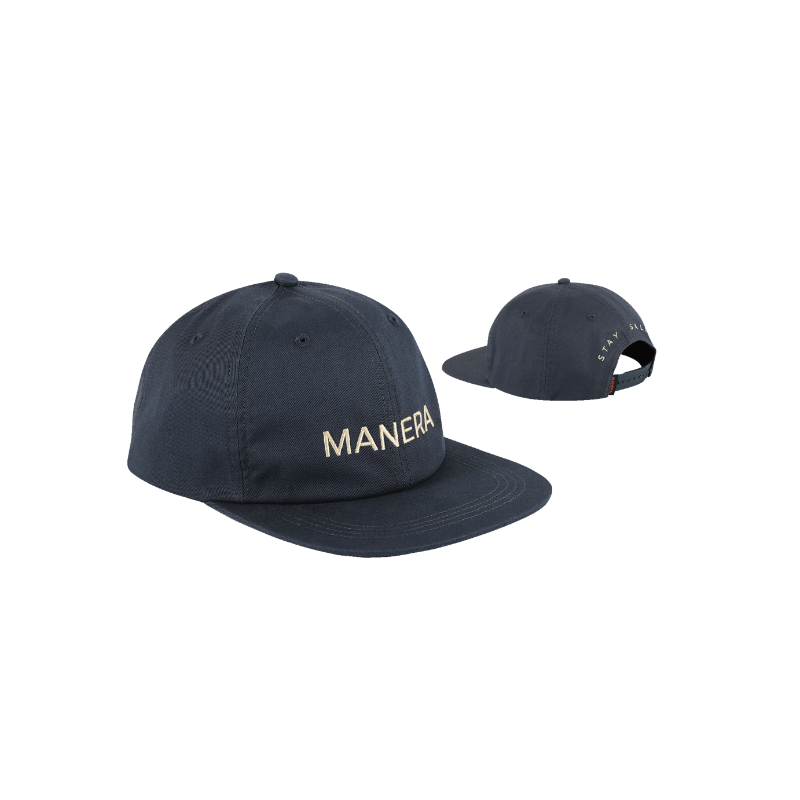
manera cap

5th prize

MANERA Cap

Step 1. Sign up to our newsletter

Step 2. Follow us on social

Competition Terms

  1. This competition is for attendees of the RYA Dinghy & Watersports Show only.
  2. Closing date is Wednesday 1st March 2023 at 11.59pm and winners will be picked, at random, the following day starting with the first prize through to the fifth.
  3. Providing all criteria is fulfilled, the winners will be notified by email who must respond within 14 days in order to claim the prize.
  4. Delivery to UK addresses only.
  5. All entrants must be aged 18 and over.
  6. No cash alternatives given.
  7. Winners names and social identity may be used for publicity purposes on TFC social channels and marketing material.
onewheel logo
 ONEWHEEL PintONEWHEEL Pint XONEWHEEL GT
Top Speed:26kmh / 16mph29kmh / 18mph32kph / 20mph
Range:6-8 miles12-18 miles20-32 miles
Charge Time:80-120 minutes110-225 minutes200 minutes (90 min with GT Hypercharger)
Battery:NMC Lithium-ionNMC Lithium-ionNMC Lithium-ion
Weight:10.5kg12.2kg15.8kg
App:Provides live speed, battery life, mileage, ride style, community features and diagnostics
Brakes:Regenerative BrakingRegenerative BrakingRegenerative Braking
Motor:750W Hypercore Hub Motor750W Hypercore Hub Motor750W Hypercore Hub Brushless Motor
Tyre:10.5in x 6.5-6in Vega10.5in x 4.5-6in Onewheel11.5in x 6.5-6.5in Onewheel
Remote Control:No Remote – Lean and goNo Remote – Lean and goNo Remote – Lean and go
Lighting:LED strip for battery status and in-ride alertsLED strip for battery status and in-ride alertsIntelligent LED Lights – White Front and Red Rear
Sensors:Solid state MEMS 6-DOFSolid state MEMS 6-DOFSolid State MEMS 6-DOF
Size:

8.75 x 10.5 x 27 inches
(222 x 266 x 689 mm)

8.75 x 10.5 x 27 inches
(222 x 266 x 689 mm)
9.5 x 11.5 x 29 inches
(241 x 292 x 737 mm)

Winter Lesson Request

Please send us your lesson request and we’ll reply to you as soon as possible.

Hover Wing Foil Board Size

Below is a rough guide to help determine Hover Wing Foil board size based on rider weight and skill level. A “beginner” rider is considered as someone with no previous board sport experience.

Keep in mind that additional factors, such as wind conditions, foil, and kite wing size will play an important role in the selection of the right board size.

As a rule of thumb, we recommend erring on the side of a more buoyant board with a volume that matches rider weight (for example, an 80kg rider will need at least an 80L board or larger). Riding a “sinker” will work in locations with steady, strong winds, while floatier boards prove to be a safer choice as they allow the rider to get back to shore even if the wind drops under a foilable limit.

40 L:
Not recommended for beginners or intermediate
Up to 70 kg for advanced/highly skilled riders

50 L:
Not recommended for beginners or intermediate riders
Up 75 kg for advanced/highly skilled riders

60 L:
Not recommended for beginners
Intermediate riders up to 45 kg
Advanced and highly skilled riders up to 85 kg

75 L:
Not recommended for beginners
Intermediate riders up to 55 kg
Advanced riders up to 90 kg

85 L:
For beginners up to 50 kg
Intermediate riders up to 70 kg
Advanced riders up to 100 kg

95 L:
For beginners up to 60 kg
Intermediate riders up to 80 kg
Advanced riders up to 105 kg

110 L:
For beginners up to 80 kg
Intermediate riders up to 95 kg
Advanced riders up to 115 kg

125 L:
For beginners up to 95 kg
Intermediate riders up to 105 kg
Advanced riders up to 130 kg

140 L:
For beginners up to 115 kg
Intermediate riders up to 125 kg
Advanced riders up to 160 kg